Why the Right Formal Dress Changes Everything About How You Carry Yourself
Wiki Article
Why the Right Formal Dress Changes Everything About How You Carry Yourself
A formal dress is never merely clothing; it’s a subtle instruction to your body and a script for the room. The right dress doesn’t just improve your look — it changes your posture, pace, gestures, and the way others respond to you. This is not vanity. It’s psychology: design meeting behavior, producing a quiet but powerful transformation in how you move through the world.
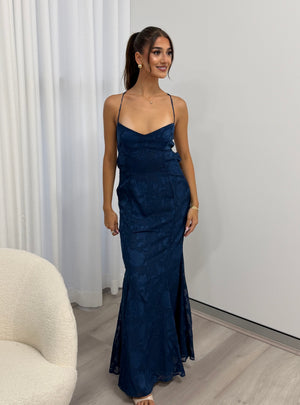
1. Enclothed Cognition: What You Wear Becomes How You Act
The phrase enclothed cognition describes how clothing affects mental state. When you choose a dress that feels intentional — structured where it needs to support, fluid where it needs to free — your mind matches the outfit’s message. You begin to think and move in ways that align with the garment’s tone: steadier, calmer, more deliberate.
2. Structure Rewrites Posture
Formal dresses often include architectural elements — boning, seams, waist definition, supportive bodices. Those elements are small mechanical prompts for your body:
Shoulders open slightly.
Spine lengthens.
Chin lifts with less effort.
A dress that holds its shape gives your frame a scaffold to rest on. Standing straighter isn’t something you force; it becomes the natural response to the garment’s architecture.
3. Fabric and Flow Shape Movement
Materials matter. Heavier fabrics create a composed, grounded walk. Silks and satins that catch light slow your pacing because they reward measured motion. Strategic slits and drape create rhythm: a longer stride, a controlled turn, pauses that feel confident rather than tentative. The dress sets the tempo and your body obeys.
4. Fit Affects Emotional Safety
When clothing fits well, your nervous system relaxes. You stop fidgeting with hems or adjusting straps. That comfort translates directly into smoother gestures, more relaxed shoulders, and a presence that reads as secure rather than defensive. A secure wearer naturally takes up appropriate space — not arrogantly, but unmistakably.
5. Nonverbal Signals Amplified
Formalwear acts like a visual amplifier. Small, intentional design choices — a high neckline, a defined waist, a dramatic sleeve — become focal points that guide attention. When observers focus, you receive more positive social cues (nodding, eye contact, polite distance). Those cues complete a feedback loop:
You notice the attention → you feel validated → your body language becomes firmer → attention intensifies.
6. Gesture Economy: Less Becomes More
The right dress often invites restraint. When an outfit is striking, you naturally simplify movements: hands fall softer, gestures are fewer, smiles are measured. That economy of gesture reads as elegance and self-command. People mistake calm restraint for poise — and that’s exactly the effect a well-designed formal dress produces.
7. The Social Script: Dress, Then Role
Formal dresses carry cultural scripts — “I belong here,” “I respect this moment,” “I intend to be remembered.” By adopting that visual script, you’re granted different social treatment: people listen, hosts include you, conversations tilt toward you. Your behavior shifts to match the role the dress enables.
How to Choose a Dress That Changes You
Prioritize fit over trend. Tailoring does the psychological heavy-lifting.
Balance structure and ease: support where you need it, give where you move.
Consider fabric weight for the event’s pace (heavier for composed settings, fluid for cinematic entrances).
Let statement details be the anchor — keep accessories minimal so your posture and movement remain the focus.
The right formal dress is a practical training in presence. It scaffolds posture, sets a rhythm for how you walk, simplifies your gestures, and rewrites the social script around you. You don’t fake confidence — you embody it. For anyone who wants to show up deliberately and be taken seriously, the wardrobe choice is more than aesthetic: it’s behavioral design.
Report this wiki page